![Data Center Network Switch Upgrades: A Complete Guide [2025] - A visual of modern network switches stacked to represent advanced data center infrastructure.](https://dropinblog.net/img/fqwv4c82/700/data-center-network-switch-upgrades-guide-2025)

Modern data centers are the backbone of enterprise IT operations. As organizations scale, ensuring their networks' performance, security, and reliability becomes paramount. At the core of these operations lie network switches—critical devices that manage data flow and enable seamless connectivity.
This guide provides IT managers with actionable insights into network switch upgrades. It covers performance, cost, security, and vendor selection and addresses common questions and future-proofing strategies.
Why Upgrade Your Network Switches?
The demand for faster, more reliable, and secure networks continues to grow. Upgrading data center switches ensures compatibility with emerging technologies like AI/ML workloads, edge computing, and SDN while addressing challenges like network latency and cybersecurity threats.
Upgrading your network switches offers a range of benefits, including:
- Scalability: Prepare for growth with high-capacity switches supporting 10G, 25G, 40G, or 100G Ethernet.
- Improved Security: Mitigate risks with VLANs, MAC address filtering, and port security features.
- Energy Efficiency: Reduce operational costs with energy-saving designs.
- High Availability (HA): Ensure uninterrupted operations with redundancy and failover support.
In addition to these core benefits, IT managers should consider the following when making upgrade decisions:
- Vendor Support: To ensure ongoing assistance and security, opt for vendors with strong customer support and regular firmware updates.
- Integration: Ensure compatibility with your existing network infrastructure and management tools for a smooth transition.
- Ease of Management: Choose switches with user-friendly interfaces and automation features to reduce administrative overhead and streamline operations.
Key Considerations for Data Center Switch Upgrades
1. Scalability and High-Speed Networking
As data-intensive applications like video streaming, big data analytics, and AI-driven workloads become more common, the performance of network switches is crucial for keeping up with these demands.
IT Managers must prioritize high-performance switches that can handle vast amounts of data without introducing bottlenecks.
Key Considerations for Performance:
- High-Speed Connectivity: As data transmission speeds increase, switches supporting speeds like 25G, 40G, and 100G are becoming more essential. The right speed ensures that data centers can handle massive volumes of traffic.
- Low Latency: Low-latency switches are essential for real-time applications such as VoIP, video conferencing, and financial transactions. Choosing switches with low latency ensures that time-sensitive data is processed quickly, improving the performance of critical applications.
- Quality of Service (QoS): Prioritize time-sensitive or mission-critical traffic to ensure minimal delays or data loss. This is especially important for applications like VoIP and video conferencing.
2. Security Features for Modern Networks
Cybersecurity is a top priority for IT Managers. As networks become more complex, the risks of unauthorized access and cyberattacks increase. Network switches should have advanced security features to protect sensitive data and prevent malicious intrusions.
Security Features to Look For:
- Port Security: Network switches should allow administrators to configure port security to only limit access to authorized devices. This prevents unauthorized devices from connecting to the network.
- MAC Address Filtering: MAC address filtering is another feature that enhances access control. By restricting devices to specific MAC addresses, network security is further bolstered.
- Network Segmentation: Segmenting traffic via VLANs (Virtual Local Area Networks) can improve security by isolating traffic within certain areas of the network. This minimizes the risk of attackers' lateral movement.
3. Reliability and Redundancy
Reliability is critical in data centers. Network downtime can lead to significant disruptions, whether due to hardware failure, network congestion, or security breaches.
IT Managers must select network switches that offer built-in redundancy, failover capabilities, and high availability features to ensure their networks remain operational around the clock.
Reliability Features to Consider:
- Redundant Power Supplies: Dual power supplies ensure the switch remains operational even if one power source fails. This redundancy is essential for maintaining high availability.
- High Availability (HA): Look for switches that support high availability configurations and provide failover support in case of hardware failure. Features like VRRP (Virtual Router Redundancy Protocol) or stacking can ensure continuous operation in case of failure.
- Resilient Design: Choose switches that support failure recovery without significantly disrupting the network. Swappable parts, hot-swappable power supplies, and fan redundancy are essential features to consider.
4. Cost Efficiency and ROI
Cost is always a factor when upgrading network switches. However, focusing solely on the upfront cost may not provide the best value in the long run.
IT Managers must look beyond initial purchase prices and consider the total cost of ownership (TCO), including operating costs, energy consumption, and maintenance.
- Energy Efficiency: Prioritize low-power models to reduce operational expenses.
- Future Scalability: Avoid frequent upgrades by selecting modular switches.
Top Network Switch Vendors: Choosing the Right Partner
The vendor choice can make or break the success of a network switch upgrade. Leading network switch vendors offer a variety of products with varying capabilities, making it essential to align your needs with the vendor’s offerings.
Top Network Switch Vendors:
- Cisco: Cisco’s switches are known for their comprehensive security features, scalability, and software-defined networking (SDN) support. Cisco’s Catalyst and Nexus series offer high-performance and feature-rich solutions for modern data centers.
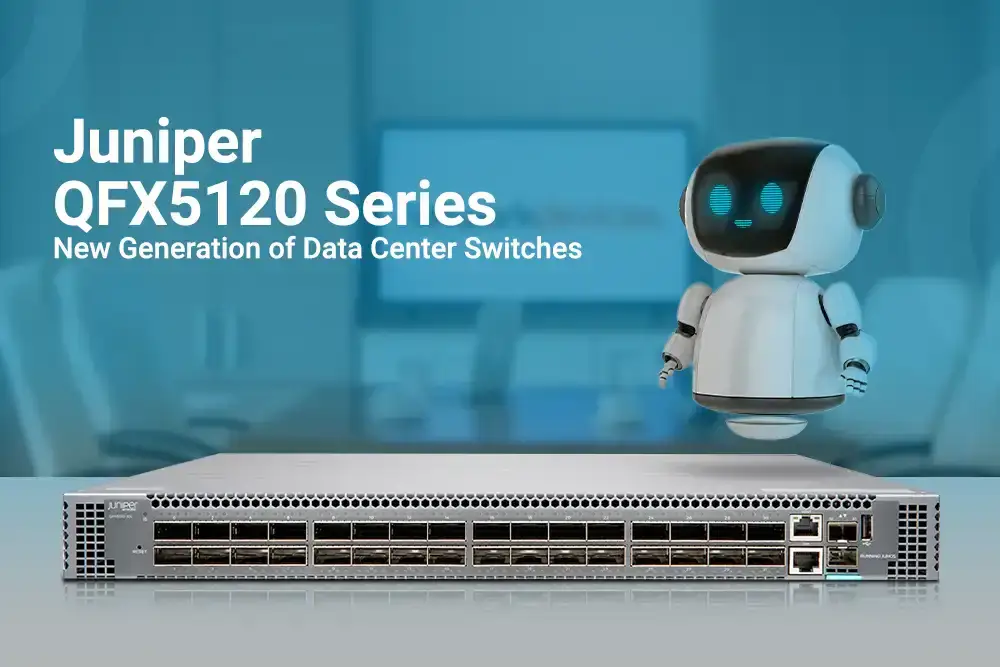
- Juniper Networks: Juniper switches are highly regarded for their performance and reliability, with options like the QFX series designed to support demanding, high-traffic environments.
- Arista Networks: Arista provides switches explicitly designed for large-scale data centers. Its switches are known for their high-speed capabilities and low-latency designs, which make them popular among cloud providers and enterprises with large data requirements.
- Hewlett-Packard Enterprise (HPE): HPE offers a wide range of energy-efficient switches that are well-suited for hybrid IT environments. Its FlexNetwork series provides flexible, scalable solutions for enterprises.
- Dell Technologies: Dell’s networking solutions, including the S-Series and Z-Series, provide flexibility, ease of management, and cost-effectiveness, making them ideal for IT Managers seeking simple yet powerful switch solutions.
Best Practices for Successful Network Switch Upgrades
A clear strategy is essential for upgrading network switches, ensuring the transition goes smoothly without disrupting business operations.
1. Assess Your Network
Start by evaluating your current network infrastructure and future needs. Analyze data flow, traffic patterns, and bandwidth requirements to select the best switch.
2. Plan for Growth
Choose scalable models supporting 10G+ Ethernet and SDN.
2. Pilot Testing
Pilot testing ensures the switch functions correctly in a live environment. Ensure performance meets your expectations before full deployment.
4. Provide Training
Ensure your IT team is adequately trained to manage the new switches and troubleshoot any potential issues that may arise.
Conclusion: Optimize Your Data Center for the Future
Network switch upgrades are essential for scalability, security, and operational efficiency. IT managers can future-proof their networks and maximize ROI by selecting high-performance, energy-efficient models from trusted vendors.
Contact us today for personalized recommendations or to explore solutions from leading vendors.


FAQs
Q: How do I know it’s time to upgrade my switches?
Signs include frequent bottlenecks, outdated security features, and an inability to handle modern workloads.
Q: How can I minimize downtime during an upgrade?
Use redundancy protocols like VRRP, enable switch stacking, and deploy during low-traffic hours.
Q: What’s the best switch for AI workloads?
Look for switches with high-speed uplinks (40G/100G), low latency, and advanced QoS features.